
Why Timing Matters More Than Most Homeowners Realize
Cedar Roof Preservation Starts With One Simple Truth
Great roofs don’t happen by accident — great roofs are cared for.
Cedar roofs are beautiful, but they require the right care at the right time. Before explaining how cleaning and preservation work, it helps to understand why timing matters in the first place


Understanding What a Cedar Roof Is Already Telling You
A young cedar roof often shows early, subtle changes on the surface — changes that are easy to overlook, even as the wood is already beginning to dry, thin, and lose flexibility.
This is one of the most misunderstood aspects of cedar roofing.
As surface fibers slowly wear away, the wood becomes thinner and more reactive. It absorbs water faster, dries out faster, and responds more sharply to weather and seasonal changes. These shifts happen gradually, and because they don’t look dramatic at first, they’re often ignored.
In reality, many homeowners don’t learn about early preservation until later in a roof’s life. When a roof looks “fine,” it’s natural to assume it doesn’t need attention — even though preserving it earlier would have delivered the greatest long-term benefit..
What Experience Teaches
Why Starting Early Pays Off
After years working exclusively with cedar, one truth stands out:
Early preservation makes the greatest difference for homeowners who plan to stay in their home for years to come.
That understanding shapes how we guide homeowners. Preserving a cedar roof before problems form — while the wood is still strong, stable, and receptive — leads to better performance over the life of the roof.
Timing matters more than most people realize.
Your roof may have no problems today.
With the right care — started early and maintained on schedule — it’s possible to keep it that way for decades to come.
That’s the philosophy behind cedar roof preservation done correctly.
Thinking Long-Term About Your Roof


Preserving a roof early helps it:
Hold its best condition longer
Age more slowly and evenly
Reduce stress on the wood as seasons change
Starting early also lowers the intensity — and cost — of future cleaning stages, because surface buildup is lighter and the wood remains more responsive to treatment.
Cedar doesn’t fail suddenly. It ages little by little as sun, wind, and seasonal cycles work on the wood day after day.
Time will always have its say — but proper preservation significantly slows the process.
How Cedar Roofs Really Age
Before looking at how a cedar roof changes over time, it helps to understand one simple truth:
Age alone doesn’t tell the full story.
Cedar roofs don’t all begin from the same place. Wood quality, shake or shingle thickness, exposure length, sun orientation, and site conditions all influence how a roof ages. Two roofs installed the same year can weather very differently — even on similar homes.
This timeline isn’t a schedule or a set of rules.
It’s a framework — a way to understand how cedar typically changes, how aging gains momentum, and why timing decisions matter as the roof moves through different stages of its life.
A Clear, Honest Timeline (Years 0–22)
Years 0–2
New, Strong, and Still Adjusting
When a cedar roof is first installed, the wood is at its thickest and strongest — but it is also still settling into its environment. Natural oils are abundant. Moisture movement is stabilizing. Sun exposure has only begun affecting the surface fibers. These oils help protect new cedar, but they also limit how deeply preservation treatments can penetrate at this stage.
At this point, the roof is structurally sound, surface changes are minimal, and the wood is still acclimating. Nothing is wrong — but this is not yet the ideal time for preservation. The wood has not reached a consistent, predictable state where treatment is most effective.
Years 2–4
The Ideal Window for Early Preservation
Between years two and four, a cedar roof reaches a critical and often overlooked point. The wood has stabilized. Natural oils have diminished enough to allow preservation to penetrate properly, while the exposure layer remains thick, strong, and intact. Early surface weathering may be visible, but aging has not yet gained momentum.
This is the sweet spot. Preservation applied here works with the wood, not against years of accumulated wear. For homeowners planning to stay long-term, this window delivers the greatest lifetime benefit — slowing aging before it accelerates and setting the roof up for a longer, more predictable life.
Years 4–6
Transition Years — Early Differences Appear
By years four to six, a cedar roof is no longer new — but it is still performing well. Most natural oils have diminished. Weathering becomes more visible, especially on sun-exposed planes. Light checking, subtle thinning, and uneven aging between roof sections may begin to appear.
Small splits at this stage are normal. They reflect the wood’s first sustained exposure to sun, moisture, and seasonal movement — not failure. This is also where variables begin to matter more. Thicker shakes weather more slowly. Shorter exposures tend to age more evenly. Higher-quality cedar generally holds up better as time passes. The roof is still forgiving — but how it is cared for from this point forward begins to shape what comes next.
Years 6–8
Early Aging — Still Solid, Still Controllable
By years six to eight, subtle changes become easier to see. Early thinning appears in sun-exposed areas. Slight movement in individual shakes or shingles becomes more noticeable. Fine checking and narrow splits may begin to show.
The roof is still strong.
The exposure layer still has substance.
What makes this stage important isn’t severity — it’s momentum. More tends to happen between seven and eight than between earlier years. Aging is becoming consistent. This is still a very favorable preservation window. Acting here can interrupt the aging curve before it steepens.
Years 8–10
The Sweet-Spot Decision Window
Between years eight and ten, a cedar roof reaches a meaningful turning point. Structurally, it remains sound. Leaks are uncommon. But aging is no longer subtle — especially on sun-facing planes where thinning, checking, and surface movement have progressed.
Changes during this period often happen faster and across broader areas than before. Sun exposure becomes a defining factor. Shaded sections may still appear relatively stable, while sun-heavy areas clearly show age.
This is often the last stage where preservation delivers clear, predictable value across most of the roof. Handled well, this window shapes how the roof will perform throughout its teens.
Years 10–12
Sensing the Shift
By years ten to twelve, the roof enters a more decisive phase. Nothing has failed. Leaks are uncommon. From a distance, the roof may still look acceptable — but the margin for error is smaller.
The cedar is thinner. Checking is established. Movement becomes more widespread as seasonal cycles place greater stress on the wood fibers.
Aging is no longer slow and even — it becomes directional. This is the point where many homeowners begin to sense a shift, even if they can’t yet describe it clearly.
Years 12–14
The Late Decision Window
By twelve to fourteen years, the roof is clearly in its later stages — even though it may still be functioning. Surface distortion is easier to see. Splits are more common. Sun-exposed planes show pronounced wear. The roof is no longer forgiving.
Decisions made here carry disproportionate weight. Outcomes vary widely based on wood quality, thickness, exposure, and site conditions. Preservation may still help in select cases — but expectations matter now. This stage calls for honest evaluation, not promises.
Years 14–18
The Late Decision Window
By twelve to fourteen years, the roof is clearly in its later stages — even though it may still be functioning. Surface distortion is easier to see. Splits are more common. Sun-exposed planes show pronounced wear. The roof is no longer forgiving.
Decisions made here carry disproportionate weight. Outcomes vary widely based on wood quality, thickness, exposure, and site conditions. Preservation may still help in select cases — but expectations matter now. This stage calls for honest evaluation, not promises
Years 18–22
Replacement by Choice, Not Sudden Failure
By eighteen to twenty-two years, most cedar roofs have reached the final chapter of their life.
The roof may still keep water out. But exposure is thin, splits are widespread, and cumulative fatigue is evident across the system. There is one rare exception: roofs preserved very early in life sometimes “sneak by” — not because they were rescued late, but because they were protected when it mattered most.
Outside of those cases, preservation is no longer the answer.
Cedar roofs aren’t replaced because they suddenly fail.
They are replaced because they fade out.
Appearance declines. Pieces shed. Maintenance fatigue sets in.
Homeowners choose a reset — on their terms.
The Quiet Truth
Great cedar roofs don’t disappear.
They age.
They change.
And eventually, they are ready to be replaced.
Not by fear.
Not by failure.
By clarity, tolerance, and choice.
How Preservation Solves the Problem
Preservation replaces the natural shade layer with something far better:a deeply penetrating, purpose-built treatment engineered to stabilize and protect cedar.
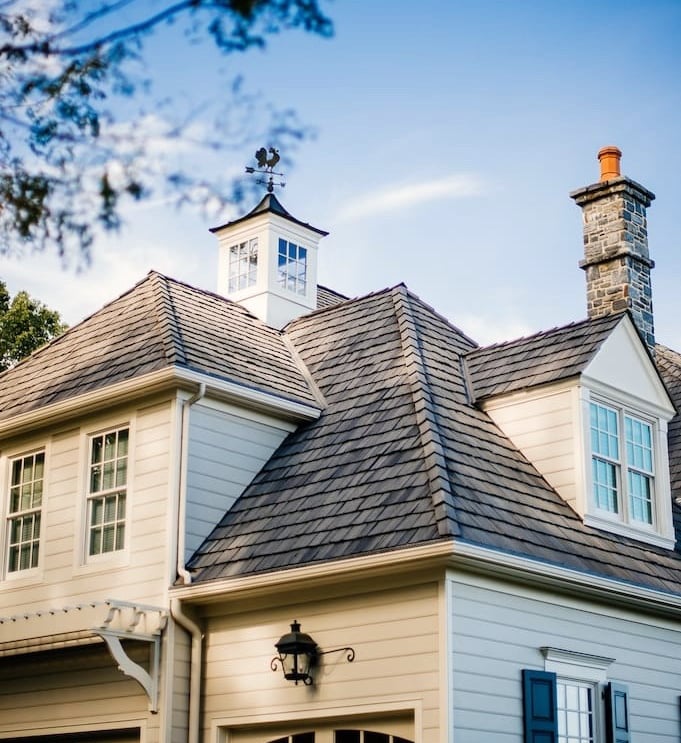
Recreates a UV-shielding barrier
Stronger, more consistent, and longer lasting than the weathered layer ever was.
Rebalances and conditions the wood
Lost natural oils are restored in a uniform, controlled way.
After cleaning, preservation:
Significantly slows moisture movement
Water stays on the treated surface instead of diving into the cedar.
Prevents the “post-cleaning accelerated aging” period
The wood settles into a slower, more predictable aging curve.
Strengthens the exposure layer your cedar roof’s first line of protection
When the top layer is stable, every layer beneath it benefits.It also preserves the roof’s overall aesthetic and the look homeowners value most.
Care Built on Judgment You Can Trust.
Address
180 West main St. Pottstown, pa. 19465
Fastest way to reach us
Contacts
contact@cedarpreserve.com
610-340-5411
Opening hours
Monday - Friday: 9:00 - 5:00
Saturday: 9:00 - 16:00
Sunday: Closed
Get your roofing project moving! Provide a few details below and our team will reach out with the information you need. We’ll follow up by text.