Cedar Roof Rapair Roof Truths
These short Q&As explain what actually requires repair, what doesn’t, and how to protect a cedar roof without unnecessary or risky disruption.
Roof Truth # 1 — What Actually Needs Repair
Q1. How do I know whether my cedar roof actually needs repairs?
A real repair need usually shows up in one of three ways:
A leak is active or beginning to develop.
This is the roof telling you a specific area needs attention.
A shake or shingle has detached or slipped far enough to expose the layer beneath.
Even though cedar has multiple protective layers, this is the moment to correct the area before it progresses.
A section has worn thin from years of sun and weather.
These spots may benefit from targeted reinforcement — often with shims — to protect the underlayer without disturbing surrounding wood.
Because cedar roofs are layered, most cosmetic aging doesn’t require intervention — and unnecessary repairs often do more harm than good. A cedar specialist focuses on functional need, not appearance, so the roof stays strong without invasive work that shortens its life.
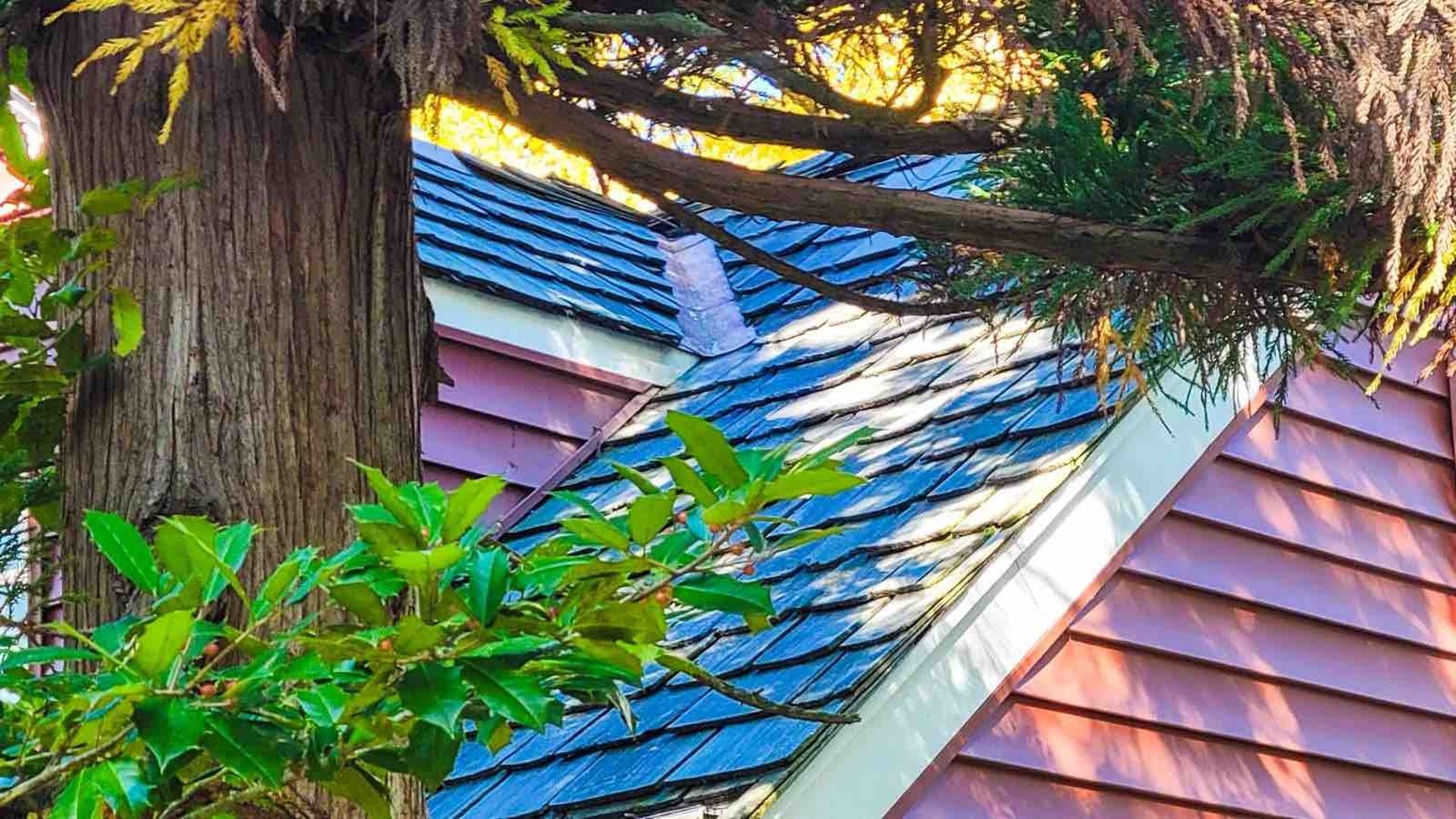
Many homeowners aren’t sure when a cedar roof truly needs attention — and that’s understandable. Cedar ages in ways that can look concerning long before anything is actually failing. Splits, slight cupping, movement in the exposure layer, and color variation are all part of normal aging and don’t automatically mean the roof is compromised.
Roof Truth # 2 — Why Not Repair Everything You See
Q2. Why shouldn’t I repair every split or weathered shingle I see on my cedar roof?
Here’s why repairing everything is the wrong approach — especially on older roofs:
Unnecessary repairs disturb a functioning system.
Removing a shingle means breaking nails through the underlayers. On older roofs, this disruption can cause leaks that didn’t exist before.
New wood rarely blends with older wood.
On late-life roofs, replacement shingles stand out and weather at a completely different pace. The exposed second layer often grays and blends better than any new piece ever will.
Aging is normal. Failure is not.
A cedar specialist knows the difference between “this looks old” and “this needs attention.” Many older roofs still have years of functional life left — even if the surface looks tired.
A cedar roof — especially one that was never preserved — will show signs of accelerated aging long before anything is failing. Checks, splits, slight curling, cupping, movement in the exposure layer, and color changes are all normal. They don’t automatically signal trouble.
Roof Truth 3 — Roof Age Changes the Repair Decision
Q3. How do repairs change depending on the roof’s age and stage?
On older roofs past their preservation years, replacing shingles for cosmetic reasons rarely makes sense. The new wood stands out, costs real money, and the disturbance increases the risk of leaks.
At this stage, the goal isn’t perfection — it’s protection.
A cedar specialist focuses on what maintains the roof, not what makes it “look new.”
And if you simply prefer replacing a noticeably aging roof for aesthetics, peace of mind, or future planning — that is always a valid choice. Our job is to show what the roof is doing so you can choose what feels right.
On younger roofs with strong surrounding wood, a missing shingle should always be replaced. Protecting the exposure preserves the layered system and keeps the roof in its best condition.
Roof Truth #4 — The One-Time Storm Leak
Q4. What does it mean if I notice a leak after a major storm, but it never happens again?
What matters is repeatability.
If the condition does not return under similar weather, the system is likely performing as designed.
If it does return, a consistent pathway exists and can be properly diagnosed and corrected.
A measured response prevents unnecessary disruption, expense, and overcorrection.
This is a common pattern on cedar roofs and one we evaluate carefully before recommending any repair.
Occasionally, a severe wind-driven storm can force water into areas that normally shed rain without issue.
A brief ceiling stain following an unusually aggressive storm does not automatically indicate a failing roof.
Roof Truth # 5 — Why People Actually Replace Roofs
Q5. What actually causes homeowners to replace a cedar roof — and when should I?
Across the street, the story is different.
North-facing fronts often look better, so those roofs are replaced years later.
Leaks don’t usually force replacement.
Single-location leaks are usually repairable and don’t mean the roof is “done.”
So replacement is rarely structural — it’s personal:
When the appearance no longer matches what you want
When managing late-life repairs isn’t appealing
When you simply prefer a fresh start
A roof can be structurally fine and still be ready for replacement because you’re ready.
Most people usually replace because of appearance — not leaks.
The front-facing areas of a roof often drive replacement decisions.
Southern exposures weather faster and look older sooner. That’s what homeowners see every day, and that’s what makes a roof feel worn.
Roof Truth # 6 — Repair, Preserve, or Replace?
How do I know whether my cedar roof is worth repairing, preserving, or replacing?
If repairs serve a real purpose, they’re worth doing.
You don’t do cosmetic disruption on fragile roofs — you do what protects performance.
If the roof is past preservation, it may still have safe years left.
Late-life roofs are not emergencies.
If appearance matters more than remaining function, replacement becomes the right call.
Aesthetic preference is valid — because peace of mind is part of the decision.
A cedar specialist’s role is clarity, not persuasion.
Once you understand what the roof is doing, choosing the right path becomes simple.
The surface rarely tells the full story.
A cedar roof is layered, and those protected layers hold up much longer than the exposure suggests. Think of it this way:
If it’s performing well, you have options.
A roof can look tired but still be shedding water and functioning.
Ready to keep your cedar roof strong and protected?
Schedule your evaluation and we’ll assess the roof, explain what it needs, and guide you toward the right next step. text and email, or use our quick form if you prefer to schedule after hours.
Address
180 West Main St. Pottstown, PA. 19465
Contact
Hours of Operation
Monday - Friday: 9:00 am - 5:00 pm
Saturday: 10:00 am - 2:00 pm
Sunday: Closed